What is the Best Tide for Surfing: Optimal Conditions Decoded
As we all know, surfing relies on the perfect blend of tides, waves, and swell to create the ultimate ride.
But which tide is the best for surfing?
The answer is: it depends. The best tide for surfing can vary depending on your skill level and surf preferences.
Before you head out for a session, check the local tide charts, and surf reports. Take the time to learn about your preferred break’s unique characteristics. This way, you’ll be prepared and on your way to catching some memorable waves!
This post contains affiliate links, which means I receive a small commission, at no extra cost to you, if you make a purchase using this link. Please see my disclosure for more details.
Understanding Tides
How Tides Are Caused
Okay, without getting too science-y, tides are primarily caused by the gravitational forces between the moon, sun, and Earth. The gravitational pull of the moon causes the ocean to bulge on the side of the Earth closest to the moon, leading to a high tide. At the same time, another high tide occurs on the opposite side of the Earth due to the centrifugal force created by the Earth’s rotation. Between these high tides, low tides form as water flows away from the areas where the ocean is bulging.
Different Stages of Tides
- High Tide: The maximum height of water level, or the peak, in the tidal cycle.
- Low Tide: The minimum height of water level, or the trough, in the tidal cycle.
- Incoming Tide: Also known as the flood tide, occurs when the tide is rising from low to high tide.
- Outgoing Tide: Known as the ebb tide, happens when the tide is falling from high to low tide.
The time between high and low tides is approximately 6 hours and 12.5 minutes, with two high tides and two low tides occurring within a 24-hour period.
Tide Impact on Wave Quality
Tides can significantly affect the size, shape, and quality of waves. Thus, it’s important for surfers to understand the various stages of tides and their impact on surfing conditions:
- High Tide: During high tide, the water depth increases, making waves slower and less steep, which can be favorable for beginner surfers.
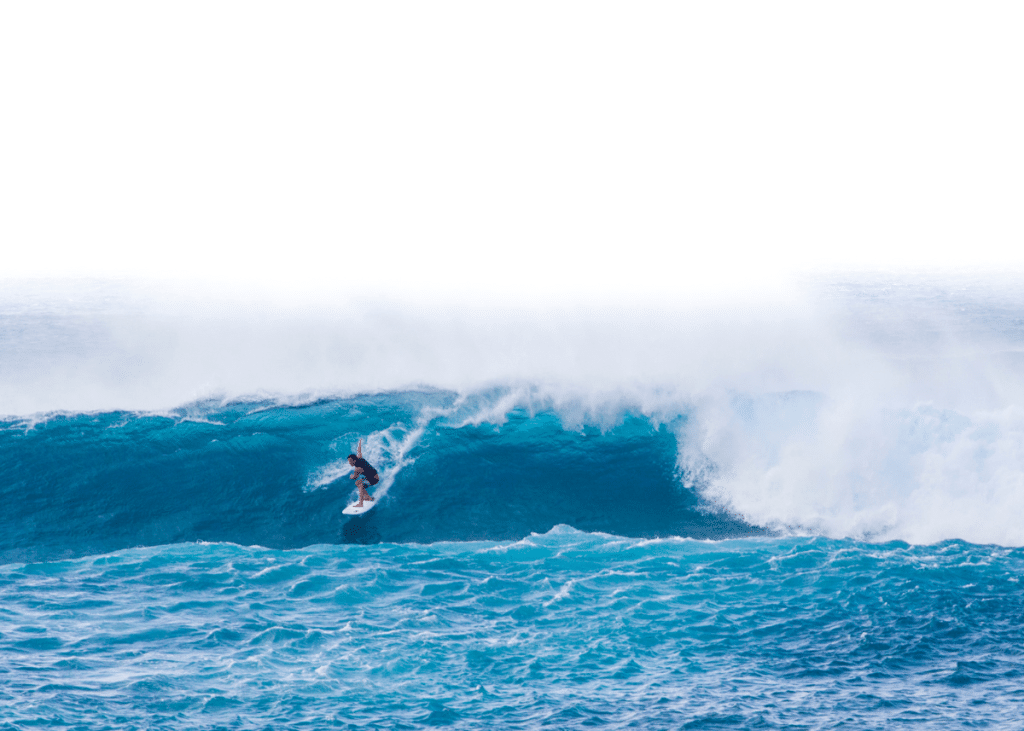
- Low Tide: During low tide, the water depth decreases, creating faster and more hollow waves, potentially more suitable for experienced surfers.
- Incoming Tide: Surfing during an incoming tide can produce more consistent and cleaner waves, often providing better surfing conditions.
- Outgoing Tide: Outgoing tides may cause waves to become less consistent and choppier, making it more challenging to find quality waves.
Also consider the tidal range, which is the difference in height between high and low tides. This can greatly influence wave quality and surfing conditions.

Best Tide for Surfing
The best tide for surfing will depend on a variety of factors such as location, swell direction, and personal preference. However, may surfers prefer to catch waves during mid to high tides when there is plenty of water moving over the sandbars.
High Tide:
- Pros: High tide produces larger waves, making it ideal for beginners or longboarders seeking ample swells to ride.
- Cons: The popularity of high tide can lead to crowded lineups, and waves may break closer to the shore, requiring swift maneuvers.
Low Tide:
- Pros: Low tide exposes sandbars and reefs, creating hollow and powerful waves that appeal to experienced surfers looking for a thrilling challenge.
- Cons: Shallow waters during low tide can pose risks due to exposed hazards, demanding caution and expertise to navigate safely.
Incoming Tide:
- Pros: As the tide comes in, it builds up wave energy, resulting in consistent and clean waves that are ideal for maintaining a steady rhythm while surfing.
- Cons: However, incoming tides can be influenced by wind direction, impacting wave quality and surfing conditions.
Outgoing Tide:
- Pros: During the outgoing tide, the lineup tends to clear out, reducing overcrowding and offering surfers more space to catch waves.
- Cons: Waves can become choppy and disorganized as the tide moves out, challenging surfers to adapt to changing wave patterns.

Tips for Surfing Different Tides
Surfing conditions are heavily influenced by the tides, and knowing how to navigate different tide levels can improve your experience in the water.
High Tide Surfing Tips
During high tide, the ocean’s water level is at its peak. This can create slower-moving waves, which can be great for beginner surfers looking to practice their skills. Here are some tips for high tide surfing:
- Look for breaks with a sandbank or a gentle reef slope, as these tend to produce more forgiving waves.
- Keep an eye on the weather, as offshore winds can create perfect, glassy conditions for surfing during high tide.
- Be cautious of submerged obstacles, such as rocks or reef, that may be less visible at high tide.
- Stay aware of your surroundings and watch out for other surfers, as high tide can sometimes bring larger crowds.
Low Tide Surfing Tips
Low tide occurs when the water level is at its lowest point, which can result in faster, more hollow waves. These conditions can be more challenging for newbies. But they can also provide exhilarating rides for experienced surfers. Here are some low tide surfing tips:
- Low tide can expose shallow reefs or rocks, so be cautious and choose your waves wisely.
- Look for exposed swells to paddle out, as it can help you catch more powerful waves.
- Pay attention to the water depth, as surfing in shallow waters can be more dangerous.
- Remember that low tide surfing tends to be less crowded, which can be a plus if you prefer to practice without distractions.
Incoming Tide Surfing Tips
An incoming tide occurs when the water level is rising from low tide towards high tide. Here are some tips for surfing during an incoming tide:
- Keep an eye on the changing water depth, as it may alter the way the waves break.
- Be aware of the energy and angle of incoming swells, which can affect the shape of the waves.
- Consider surfing at reef breaks, as they tend to offer better wave quality during incoming tides.
- Incoming tides can cause rips, so pay attention to the water movement and adjust your position accordingly.
Outgoing Tide Surfing Tips
Outgoing tide refers to when the water level is receding from high tide towards low tide. Here are some tips for surfing during an outgoing tide:
- Take advantage of flat sections of the beach, as outgoing tides can create great wave conditions for beginners.
- Pay attention to the water temperature during outgoing tide, since colder water can affect the way the waves break.
- Time your surf session with local surf reports to ensure the best conditions during the outgoing tide.
- Watch out for possible backwash caused by the receding tide, as it can create an unpredictable surfing environment.
FAQs about the Best Tide for Surfing
What tide is best for surfing?
You’ll find the best conditions to surf during low to mid tide if the beach has a more gradual slope. Conversely, beaches with steep shores tend to perform better at mid to high tide. Yet, many seasoned surfers prefer the incoming tide, known as a rising tide, because it often brings cleaner and more consistent waves.
Does the tide affect wave quality?
Absolutely! The tide’s movement plays a crucial role in wave formation. High tides can make waves mushy and slow, especially if the seabed is flat. Low tide might expose rocks or reefs, but it can also cause waves to break more sharply and powerfully. The ideal is a happy medium where you get waves that are just right in size and speed.
Can you surf at low tide?
You can surf at low tide, but it’s important to be cautious. The water is shallower, which can expose obstacles like rocks or reefs. These conditions can make waves more intense and powerful, which might be great for experienced surfers but challenging for beginners.
Is high tide dangerous for surfing?
High tide isn’t necessarily dangerous, but it does change the dynamics of the surf. The waves are generally bigger and break further back from the shore, which might be intimidating for less experienced surfers. Always assess the wave conditions and your own skills before paddling out.
How do I know when the tide is right for surfing at my local beach?
To catch the best surf, you’ll want to check the local tide charts—available online or at coastal weather stations. Pay attention to daily tide patterns and learn how they affect your specific surfing spot over time. Remember, each beach is unique, so what works at one location might not apply at another.

Find the Best Tide for Surfing
As you can see, the best tide for surfing is one that suits your skill level and provides you with the most enjoyment in the water. Which tide do you like surfing in?

Anh
Anh recently retired at the age of 35 and moved to a small surf town in Portugal in 2023. She started surfing as a hobby, but she fell in love with the water sport. She shares her tips and tricks with fellow surfers at Go With the Surf.