
10 Beginner Surfer Mistakes and How to Avoid Them
If you’re a newbie surfer like me, you probably can’t wait to catch waves just like Kelly Slater. But it takes time and patience to even stand up on the board, let alone do cool tricks.
As a beginner, you’ll want to avoid common surfing mistakes that can slow down your progress or even make you quit. These mistakes can also earn you the label of a “kook”, which you definitely want to avoid.
Here are 10 beginner blunders you might make as a new surfer and how to fix them so you can become the confident and skilled surfer you were meant to be. 🙂
This post contains affiliate links, which means I receive a small commission, at no extra cost to you, if you make a purchase using this link. Please see my disclosure for more details.
1. Choosing the Wrong Board
When you’re just starting with surfing, the right surfboard can make all the difference. Picking the wrong board can make learning to surf harder and less fun. This can be really discouraging!
Importance of Board Selection
Choosing the correct board size and type as a beginner can really change your surfing experience. A board that’s too small may make it tough to paddle and catch waves, leading to frustration and slower progress. On the other hand, a board that’s too big can be hard to control, slowing down your learning of turning and controlling the board effectively.
Consider taking a surf lesson for your first few times out on the water. Not only can the surf coach recommend the right surfboard for your skill level, but they can also give you tips on other surfing skills.
Overview of Different Board Types
- Longboards: Great for beginners because they’re stable and easy to catch waves with.
- Funboards: A mix of longboards and shortboards, versatile and easier to move around on.
- Shortboards: Designed for advanced surfers due to their maneuverability and responsiveness.
- Soft-Top Boards: Ideal for beginners as they’re safe and forgiving for falls.
- Fish Boards: Wider and shorter for stability and easy paddling, suitable for beginners.

2. Neglecting Proper Stance and Balance
Stance and balance are super important in surfing. If you’re not standing on the board, are you really surfing?
Importance of Proper Stance and Balance
Having the right stance not only makes you surf better but also helps prevent injuries. Proper balance lets you control the board well and stay upright on the waves. Withoug a good stance and balance, you might struggle to stay on the board, leading to wipeouts and frustration.
Common Mistakes to Avoid
- Leaning Too Far Forward or Backward: Many beginners make the mistake of leaning too much in one direction while paddling or riding a wave. This imbalance can disrupt your stability and make it challenging to control the board.
- Incorrect Foot Placement: Placing your feet improperly on the board can impact your balance and overall control. Make sure your feet are positioned shoulder-width apart and parallel to the stringer for better stability.
- Stiff Posture: Stiffness in your body can affect your ability to adjust to the wave’s movements. Maintain a relaxed posture like the other surfers you see! This helps you adapt to the waves and the changing conditions of the water.
Tips for Improvement
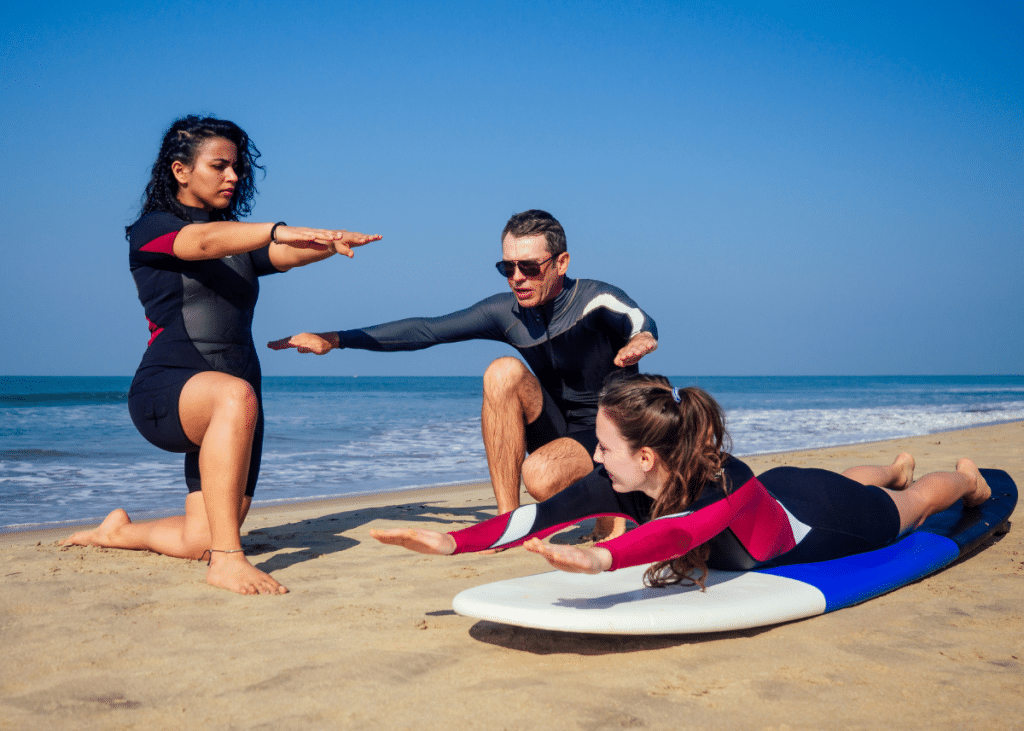
- Practice Your Pop-Up: Work on your pop-up technique to ensure a smooth transition from lying down to standing on the board. Practice many, many times on land and many more times in the water. With enough practice, you’ll soon gain the muscle memory needed to maintain a strong and balanced stance from the start
- Engage Your Core: Strengthening your core muscles can enhance your stability and balance on the board. Add core exercises into your fitness routine to improve your surfing performance.
- Focus on Flexibility: Flexibility is helpful to maintaining a proper stance while surfing. Stretch regularly to improve your range of motion and prevent stiffness that can hinder your balance.
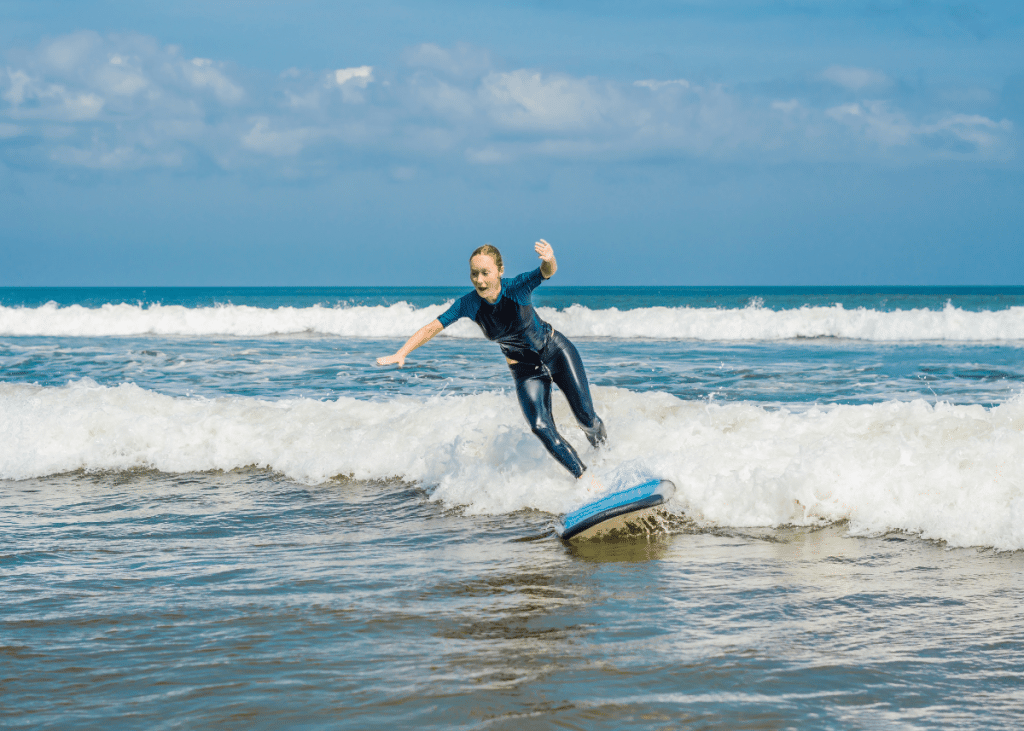
3. Failing to Understand Wave Dynamics
I get it – waves look all the same when you’re a beginner – scary 🤣. But recognizing wave types, reading patterns, and getting the time just right go a long way.
Significance of Recognizing Wave Types
Understanding wave types helps predict how they will break, which helps you position yourself correctly for a good ride.
Reading Wave Patterns
At the beginning of every one of my surf lessons, the coach spends some time looking at the coast and waves. Observing waves from afar and how they approach you helps you choose the best spot for catching them as well as what kind of tide you will be surfing in. It also helps you plan your paddling and positioning to catch more waves.
Mastering Timing to Ride Effectively
Timing is crucial in surfing. Syncing your paddling with the wave’s speed increases your chances of catching and riding it smoothly.

4. Improper Paddling Technique
When I first started surfing, I had no idea I would be paddling so much. Surfing requires a good paddling technique to catch waves effectively and save energy in the water.
Common Mistakes in Paddling Technique
- Flat Hands: One common error is paddling with flat hands, which increases resistance against the water. Instead, cup your hands slightly with fingers together to move through the water more efficiently.
- Lack of Upper Body Strength: Beginners may struggle with paddling due to a lack of upper body strength. In your workout routines, focus on buildings strength in your arms, shoulders and back. This helps you paddle more effectively and maintaining speed while catching waves.
Tips for Enhancing Paddling Technique
Absolutely, effective paddling is crucial for surfers to catch waves efficiently and maneuver in the water. Here are some key points for effective paddling:
- Positioning on the board: Lie down on your board with your chest near the center or slightly forward of the center. This helps maintain stability and control while paddling.
- Correct arm positioning: Extend your arms forward and place your hands flat on the water, slightly cupped. Keep your elbows slightly bent for a more efficient paddle stroke.
- Strong and rhythmic strokes: Use your arms and upper body strength to paddle powerfully through the water. Engage your core muscles for added power and stability.
- Catch and pull: Submerge your hand and forearm into the water with each stroke, catching the water to pull yourself forward. Focus on a smooth, continuous motion rather than frantic splashing.
- Use your entire arm: Engage your shoulders, back, and triceps in addition to your forearm and hand to maximize your paddling power. Avoid relying solely on your arms; utilize your entire upper body for efficiency.
- Keep your head up: While paddling, keep your head up and look towards the horizon. This helps maintain balance and allows you to spot incoming waves early.
- Maintain a steady pace: Find a rhythm that allows you to paddle consistently without exhausting yourself. Paddling too fast initially can lead to fatigue quickly.
- Practice efficient breathing: Breathe steadily and deeply as you paddle. Focus on inhaling and exhaling rhythmically to maintain energy and oxygen levels.

5. Not Knowing Surf Etiquette
Surf etiquette is the unwritten code of conduct that every surfer should respect. This creates a safe and “good vibes only” environment for everyone.
Right of Way
When you’re in the lineup, the surfer closest to the peak of the wave has priority and the right of way. Knowing this helps you avoid conflicts and ensure a smooth flow of wave riding among everyone.
Avoid Dropping In
Dropping in on someone else’s wave is a major breach of surf etiquette. Always check for other surfers already riding the wave before paddling into it.
Respect Fellow Surfers
Respecting your fellow surfers helps maintain a friendly and cooperative atmosphere in the lineup. Simple gestures like saying “hello” and sharing waves can go a long way in fostering positive interactions among surfers. Treat others how you would like to be treated in the water.
Communication
Effective communication plays a key role in surf etiquette. Signaling your intentions and acknowledging other surfers’ presence can prevent misunderstandings and conflicts in the water. Learn to communicate clearly through gestures and eye contact to enhance safety and cooperation among surfers.
Overall Conduct
Maintaining a positive attitude and displaying good sportsmanship while surfing are essential components of surf etiquette. Be patient, show consideration towards others, and always strive to contribute to a friendly and inclusive surfing community. Your behavior in the lineup reflects your respect for the sport and fellow surfers.

6. Ignoring Safety Precautions
Importance of Safety
Safety should always be your top priority when hitting the waves. While surfing can be a thrilling adventure, the ocean can be unpredictable and unforgiving. Ignoring safety precautions can lead to accidents, injuries, or even more serious consequences – not just for you but for others as well.
Common Safety Mistakes
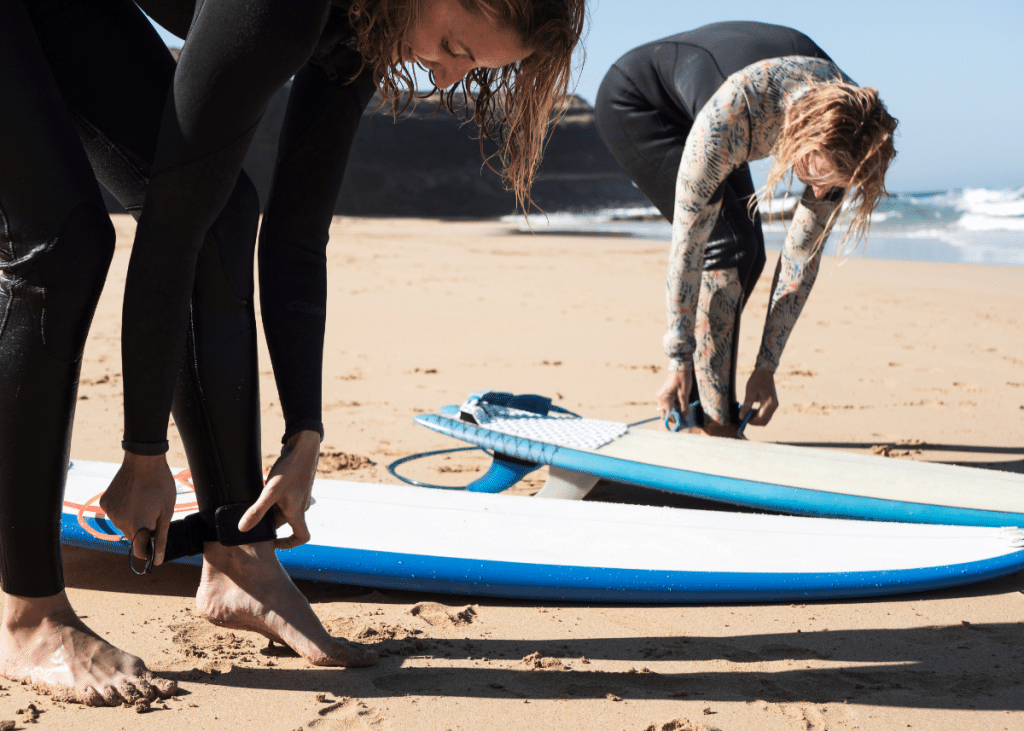
- Not Wearing a Leash: One common mistake beginners make is surfing without a leash. A leash keeps your board attached to you, preventing it from becoming a hazard to others or getting lost in the waves.
- Lack of Proper Warm-Up: Failing to warm up before surfing can increase the risk of muscle strains or cramps. Simple stretching exercises can help prepare your body for the physical demands of surfing.
- Ignoring Weather Conditions: Disregarding weather forecasts and ocean conditions can be dangerous. Always check the weather, tides, and swell reports before heading out to ensure safe surfing conditions.
Essential Tips for Surfing Responsibly
- Choose the Right Surf Spot: Opt for beginner-friendly beaches with smaller waves and sandy bottoms to practice safely.
- Use the Right Surfboard: Select a surfboard that suits your skill level. Longer and wider boards are ideal for beginners as they provide more stability.
- Wear Proper Surfing Gear: Invest in a quality wetsuit, rash guard, and surf shoes to protect your skin from sunburn, abrasions, and jellyfish stings.
- Understand Surfing Etiquette: Respect other surfers in the water by following the rules of the lineup, taking turns, and communicating effectively to avoid collisions.
7. Lack of Physical Preparation
Before hitting the waves, you should understand the importance of physical fitness for surfing. It IS a water sport after all. Lack of physical preparation can lead to fatigue, muscle soreness, and decreased performance in the water.
Necessity of Physical Fitness for Surfing
Surfing demands a unique blend of strength, endurance, and flexibility. Without adequate physical fitness, you may struggle to paddle out, catch waves, and maintain balance on the board. Building a foundation of strength and flexibility will not only enhance your performance but also reduce the risk of injuries while surfing.
Common Conditioning Mistakes
- Neglecting Cardiovascular Training: Cardiovascular endurance is essential for paddling through waves and staying out on the water for extended sessions. Neglecting cardio can lead to premature fatigue and shorter surf sessions.
- Ignoring Core Strength: A strong core is crucial for stability and balance on the board. Ignoring core workouts can hinder your ability to maneuver the waves effectively.
- Skipping Flexibility Exercises: Flexible muscles and joints are key for fluid movements while surfing. Skipping stretching routines can limit your range of motion and lead to stiffness.
Tips for Improving Strength and Flexibility
- Incorporate Functional Exercises: Include exercises like squats, lunges, and planks to build overall strength and stability, mimicking the movements required in surfing.
- Add Yoga or Pilates to Your Routine: These practices focus on flexibility, core strength, and balance, which are all beneficial for surfing performance.
- Include Cardio Workouts: Running, swimming, or cycling can improve your cardiovascular fitness, aiding in paddling endurance and wave-catching ability.

8. Unrealistic Expectations
I feel seen with this common mistake! I mean the pros make surfing look so easy. It’s common to have high hopes when you are a beginner surfer. But as with life, setting unrealistic expectations can lead to frustration and disappointment.
The Dream of Instant Success
When you start on your surfing journey, you may dream of mastering the waves in no time. If you believe that you will have immediate success, you’ll definitely be discouraged.
Comparing Yourself to Others
Ugh, I’m also guilty of this beginner mistake. With social media all around us, it’s easy to fall into the trap of comparing your surfing progression to that of others. But remember that everyone learns at their own pace. What you see online may not reflect the true beginner experience. Embrace your journey and focus on your personal growth.
Unrealistic Timeframes for Progress
You might set unrealistically tight deadlines for reaching certain surfing milestones. While it’s great to set goals, putting undue pressure on yourself to progress at a rapid pace can hinder your learning process. Instead, enjoy the learning curve and celebrate each small victory along the way without rushing the journey.
Tips for Setting Realistic Goals
To avoid the pitfalls of unrealistic expectations, try these tips for setting achievable surfing goals:
- Break Down Goals: Instead of aiming for major achievements right away, break down your goals into smaller, manageable steps. This approach allows you to track your progress effectively.
- Focus on Learning: Embrace the learning process and view challenges as opportunities for growth rather than setbacks. Each wipeout and mistake is a stepping stone towards improvement.
- Seek Guidance: Don’t hesitate to seek guidance from experienced surfers or instructors. Learning from others can provide valuable insights and help adjust your expectations to a more realistic level.
9. Inadequate Gear and Maintenance
As mentioned in Tip #1, the right gear is important when it comes to surfing. And this is more than just choosing the right surfboard.
Common Mistakes in Gear Selection:
- Inadequate Board Choice: One of the most common mistakes beginners make is choosing the wrong surfboard. Opting for a board that is too advanced or not suitable for your skill level can hinder your progress and make learning more challenging. Read tip #1 for more about choosing the right surfboard.
- Neglecting Proper Wetsuit Fit: Another mistake is not having a well-fitted wetsuit. A wetsuit that is too loose or too tight can impact your comfort in the water and affect your performance while surfing.
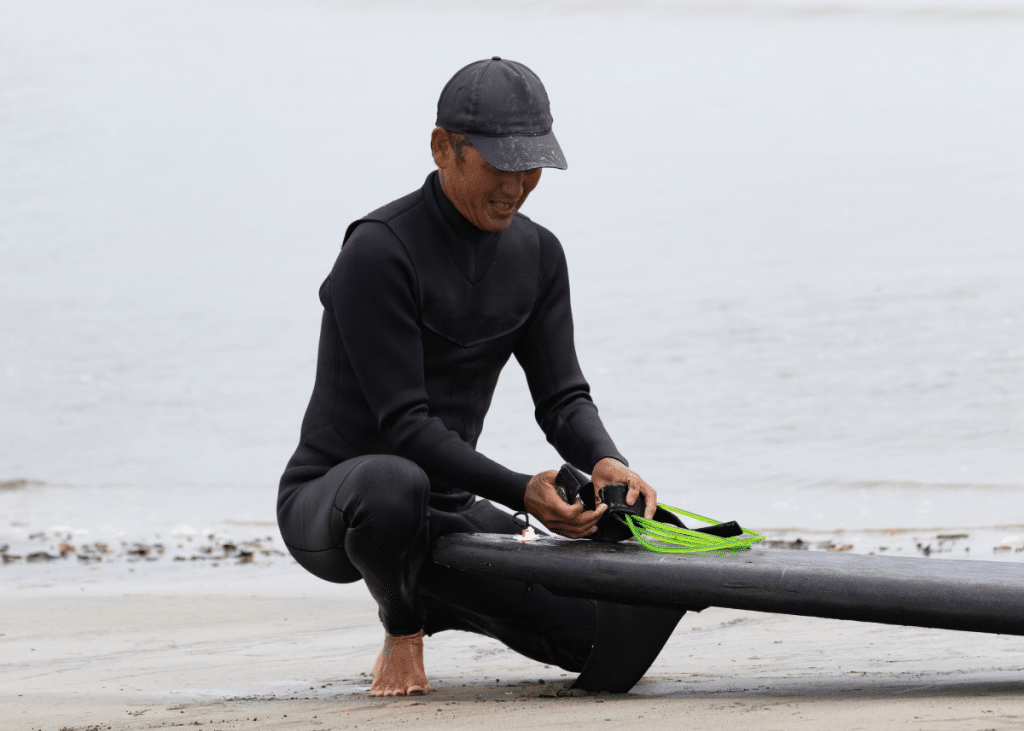
- Ignoring Leg Leash Maintenance: Often overlooked, the leg leash is a critical component of your surfboard. Failing to check and maintain the leg leash can lead to fraying or breakage, potentially putting you at risk in the ocean.
Maintenance Tips:
- Rinse Equipment After Each Session: Saltwater and sand can damage your gear over time. Make sure to rinse your surfboard, wetsuit, and other equipment with freshwater after every surf session to prolong their lifespan.
- Check for Damages: Regularly inspect your surf gear for any signs of damage, such as dings on your board or tears in your wetsuit. Addressing these issues promptly can prevent further damage and costly repairs.
- Proper Storage: Store your surf equipment in a cool, dry place away from direct sunlight to prevent premature wear and deterioration. Hanging wetsuits and keeping boards in board bags can help maintain their condition.
10. Not Seeking Professional Instruction
Benefits of Learning from Experienced Instructors
Surfing instructors bring a wealth of knowledge and experience to the table. They can provide personalized guidance tailored to your skill level, helping you progress faster and more efficiently. Professional instructors can teach you proper surfing techniques, including paddling, popping up, and riding waves, in a structured and safe environment.
Pitfalls of Self-Teaching
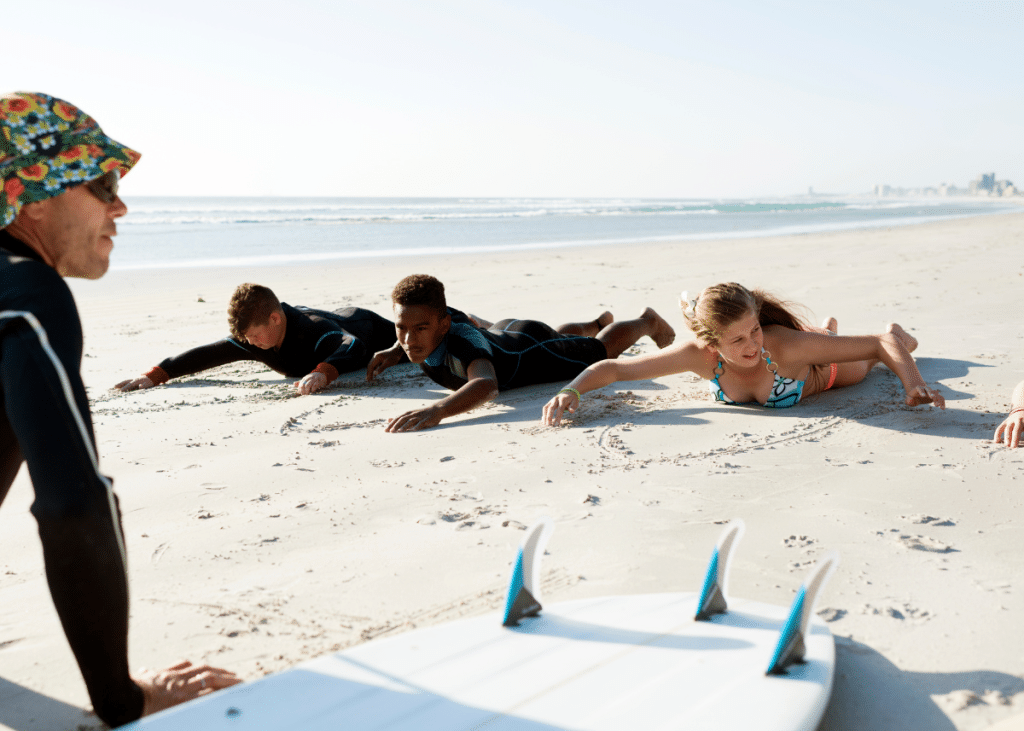
On the other hand, self-teaching can lead to developing bad habits that may be difficult to unlearn in the future. Without proper guidance, beginners may struggle to grasp fundamental surfing principles, increasing the risk of frustration and slow progress. Professional instructors can offer immediate feedback, correct mistakes, and ensure that you build a strong foundation from the start.
Frequently Asked Questions
What’s a common mistake new surfers make?
One of the top errors for newbies is choosing the wrong surfboard. Beginners often go for short boards seen in professional surfing. It’s better to start with a longer, wider board which offers more stability and makes it easier to catch waves.
How should I position myself on the surfboard?
Many beginners either lie too far forward or too far back on their board. If you’re too far forward, the nose will dip into the water, causing you to wipe out. Too far back, and the board won’t catch the wave properly. Aim to lie so your body is balanced and the board stays flat on the water.
Is there a common paddling mistake?
Yes, often beginners don’t paddle hard enough. Surfing requires strong, committed paddling to catch a wave. If you paddle weakly, you’ll miss the wave as it passes under you without enough force to propel you forward.
Do beginners often choose the wrong spot to surf?
Definitely. Beginners should avoid crowded spots or areas with big waves. Start at a surf spot suitable for your level, ideally with smaller, gentler waves and less crowded conditions. This ensures you learn without interference and reduces the risk of accidents.
What about the timing of standing up?
A frequent error is trying to stand up too soon. Wait until you feel the momentum of the wave catching the surfboard. Standing up too early can throw off your balance and cause you to fall.
Should I be watching others while I surf?
While it’s good to learn from observing others, focus primarily on your own actions when you’re in the water. Paying too much attention to others can distract you from managing your own board and wave conditions.
How important is it to understand surfing etiquette?
Very important. Ignoring surfing etiquette not only shows a lack of respect for other surfers but can also lead to dangerous collisions. Always learn and follow the basic rules, like not dropping in on someone else’s wave.
Don’t Make These Beginner Mistakes When Surfing!
So here are the 10 mistakes that beginner surfers can make AND how to avoid them! At the end of the day, we’re all out there in the water to enjoy these waves. Remember that everyone starts somewhere, so don’t be discouraged by a wipeout (or two). Make the most of each surfing moment!

Anh
Anh recently retired at the age of 35 and moved to a small surf town in Portugal in 2023. She started surfing as a hobby, but she fell in love with the water sport. She shares her tips and tricks with fellow surfers at Go With the Surf.