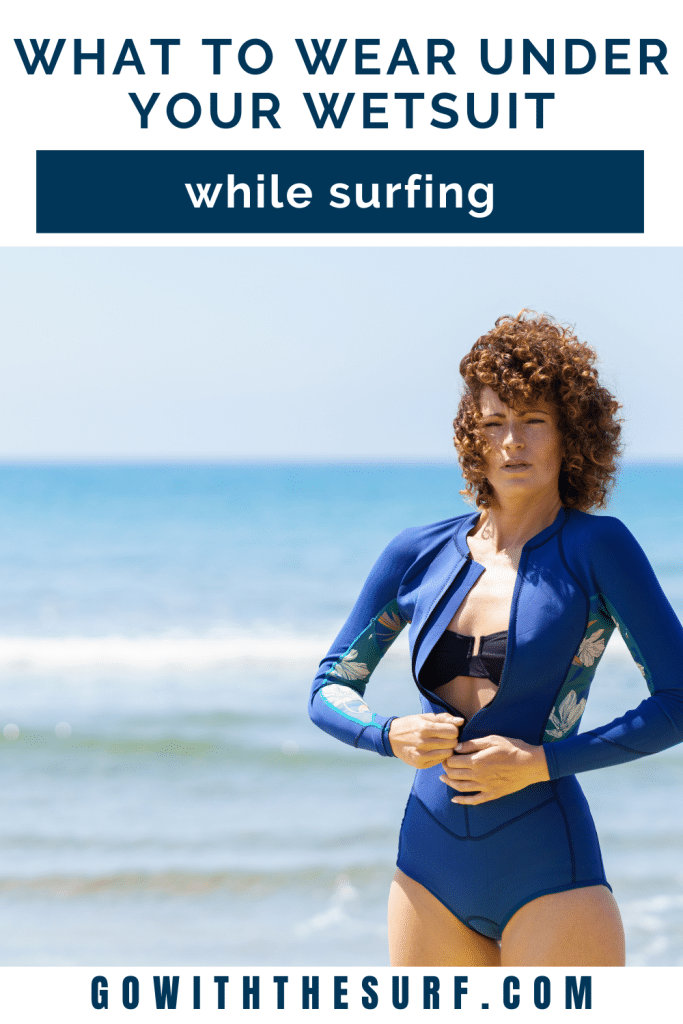
What to Wear Under Wetsuit While Surfing: Guide for Surfers
When it comes to surfing, wearing a wetsuit is an essential protective layer to keep you warm and protect your skin from the elements. Especially if you are surfing in a spot with not-so-warm water like where we live in Portugal!
But what should you wear underneath your wetsuit? This is a question that many surfers, especially beginners, often ask. The answer is not straightforward, as it depends on several factors.
This post contains affiliate links, which means I receive a small commission, at no extra cost to you, if you make a purchase using this link. Please see my disclosure for more details.
Understanding Wetsuits
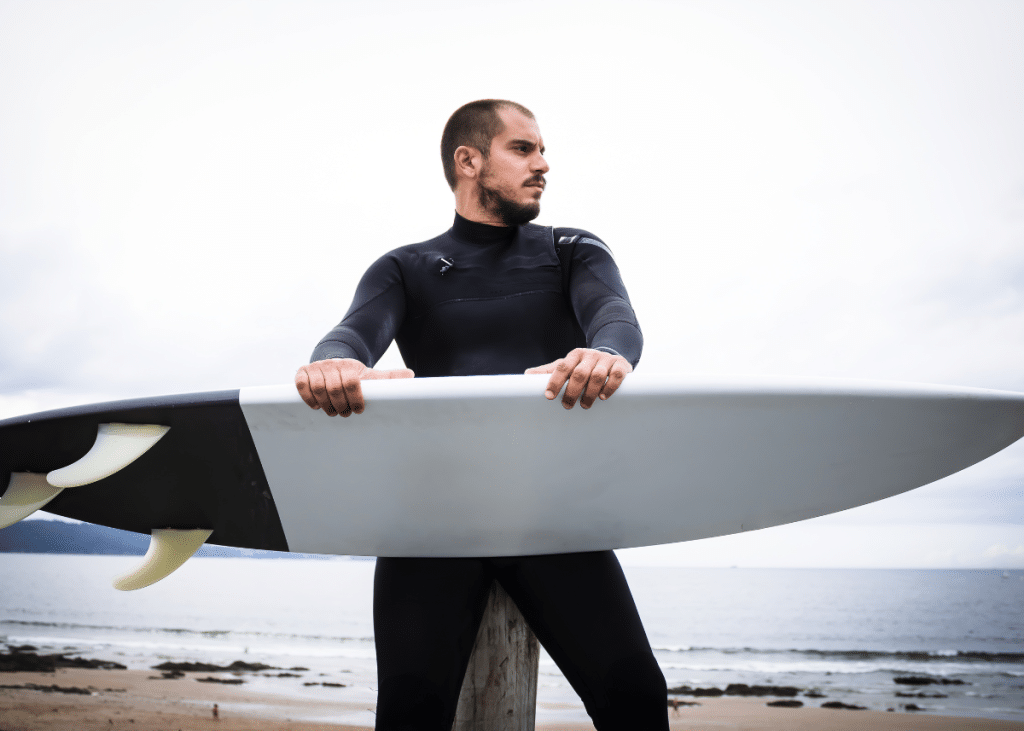
When it comes to surfing, wearing a wetsuit is essential to protect yourself from the colder temperatures and keep you comfortable while you’re in the waves. Wetsuits are made from neoprene, a type of synthetic rubber that is both durable and flexible, allowing you to move freely while surfing.
Wetsuits come in different thicknesses, ranging from 1mm to 6mm, with thinner wetsuits being ideal for warmer water temperatures and thicker wetsuits being better suited for cooler water. The thickness of a wetsuit is usually indicated by a number, such as 3/2 or 4/3, which refers to the thickness of the neoprene in millimeters on different parts of the suit.
When choosing a wetsuit, it’s important to consider not only the water temperature but also your own comfort level. If you tend to get cold easily, a thicker wetsuit may be more appropriate for you, even if the water temperature is not extremely cold. On the other hand, if you tend to get hot easily, a thinner wetsuit may be more comfortable for you, even in colder water.

Why Wear Something Under Your Wetsuit
Even though a neoprene wetsuit is important for surfing, this layer by itself can be a little uncomfortable with chafing or irritation. Or it could not be as warm for the colder waters. While you may have not considered wearing something under your wetsuit, here are a few reasons why you should.
Hygiene
First, wearing something under your wetsuit can provide proper hygiene. Kind of like wearing underwear with your regular clothes. You’ll provide a barrier between your bare skin and your wetsuit, keeping everything clean and fresh, which is always a good idea! This prevents sweat, body oils, and dead skin cells (yuck!) from coming into direct contact with the neoprene. This helps minimize odor and the buildup of bacteria within your wetsuit.
Comfort
Another reason to wear clothing under your wetsuit is for your comfort. Can you say chafing?! If you’re not careful, the neoprene material of your wetsuit can rub against your skin and cause irritation. This can lead to the dreaded surf rash. Wearing something underneath will create a buffer between your skin and the wetsuit material, reducing friction, especially if you have sensitive skin. This provides you with a much more comfortable surfing experience!
Warmth
Additionally, wearing something underneath your wetsuit can provide an extra layer of warmth. This is especially important in cold water or when you are swimming for long periods of time. By layering up, you can make sure that you stay warm while surfing even in the colder months!
Decency
Finally, there is the question of decency. While most wetsuits are designed to be fitted, there is always the possibility that they could ride up or come down. Wearing something else under your wetsuit can help to prevent any embarrassing wardrobe malfunctions, especially when changing into or out of it.
Factors to Consider
When deciding what to wear under your wetsuit while surfing, there are several factors you should consider. These include the water temperature, weather conditions, personal preference, and hygiene.
Water Temperature
The water temperature is one of the most important factors to consider when choosing what to wear under your wetsuit. If you’re surfing in cold water, you’ll want to wear something that provides extra insulation to help keep you warm. This could be a wetsuit hood, booties, or gloves. If you’re surfing in warmer water, you may not need as much insulation and can opt for something lighter.
Check out Surf Forecast before hitting the waves to prepare for the water temperature and conditions.
Weather
The weather conditions can also play a role in what you choose to wear under your wetsuit. If it’s a sunny day, you may want to wear something that provides extra UV protection, such as a rash guard. On the other hand, if it’s a windy day, you may want to wear something that provides extra insulation to help keep you warm.
Personal Preference
Personal preference is another important factor to consider when choosing what to wear under your wetsuit. Some people prefer to wear nothing at all, while others prefer to wear a swimsuit or rash guard. It’s important to choose something for your personal comfort.
Hygiene
Hygiene is also an important consideration when choosing what to wear under your wetsuit. You’ll want to choose something that is easy to clean and won’t retain odors. Avoid wearing cotton or other materials that can absorb moisture and bacteria. Instead, opt for synthetic materials that are designed to wick away moisture and prevent bacterial growth, especially in those sensitive areas.
Post-Surfing Activities
Selecting the right clothing to wear under your wetsuit isn’t just about your time in the water! It’s also important to think about what you’ll do after you’ve caught those waves! Think about how and where you’ll be changing out of your wetsuit and how your undergarments can provide a modest layer while you transition from the water to your car or changing area. I mean, are you going to be changing in public places, such as in the middle of a parking lot or in a nice changing room? That makes a big difference!
And if you plan on socializing after surfing, consider packing appropriate attire that’s comfortable for post-surf hangouts.

What to Wear Under a Wetsuit
Here are some different options to wear under a wetsuit:
Rash Guard
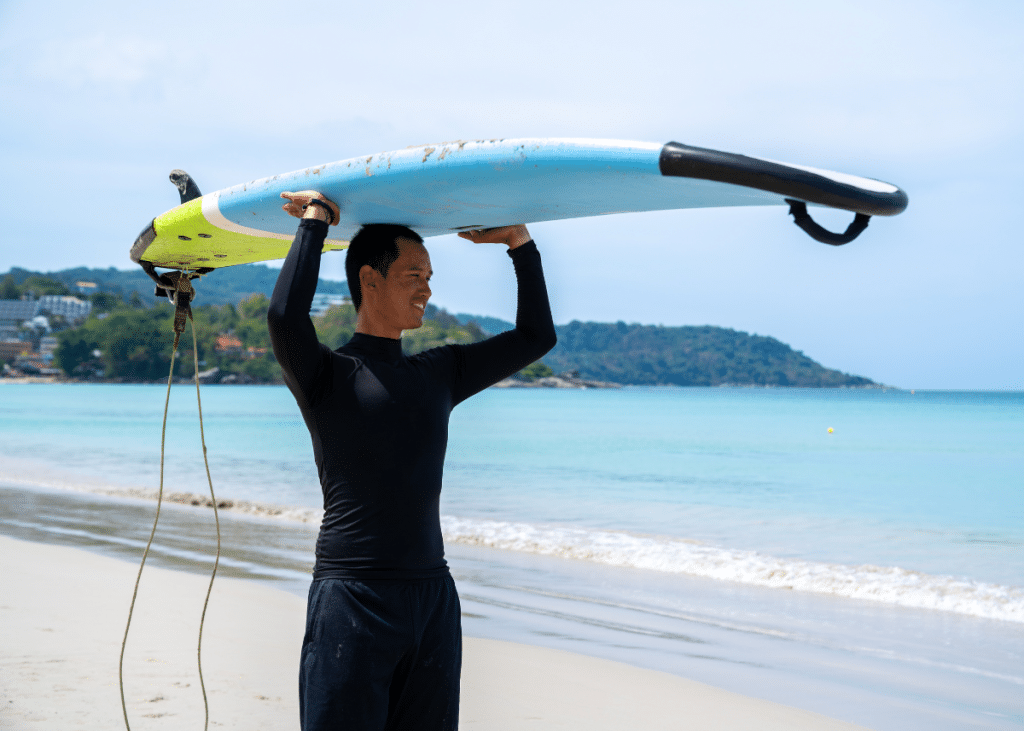
A rash guard is a type of shirt made from a stretchy, quick-drying material that protects your skin from the sun, wind, and waves. It’s an excellent choice for those who want to avoid wearing a wetsuit but still want some protection from the elements.
Swimsuit
A swimsuit or bathing suit is a classic choice for those who want to wear something simple and comfortable under their wetsuit.
For men, this can include swimwear briefs, which are thin and lightweight. Regular swim trunks may be too loose and bunch up under your wetsuit.
For women, a bikini or one-piece swimsuit can work great. For bikinis, I recommend choosing a top that has clasps instead of the ones you have to tie. The knot can dig into your skin as you surf and can cut your surfing time short (ask me how I know 🤣). Bikini bottoms should fit snugly and don’t have any loose or dangling straps that could get caught in your wetsuit.
Compression Shirt
A compression shirt is a tight-fitting shirt made from a stretchy, breathable material that helps regulate your body temperature and wick away sweat. It’s a good choice for those who want some extra warmth and support without adding bulk as it is made from lightweight material.
Bike Shorts
Fitted bicycle shorts are a popular choice for triathletes and other athletes who need a lot of mobility and support. They’re made from a stretchy, moisture-wicking material that helps prevent chafing and irritation.
Neoprene Shorts or Leggings
Neoprene shorts or leggings are made from the same material as wetsuits and provide extra insulation and protection for your lower body. They’re a great option for those who want to stay warm but don’t want to wear a full wetsuit.
Wetsuit Liners
Wetsuit liners are thin, lightweight layers that you wear underneath your wetsuit to provide extra insulation and comfort. They’re made from materials like poly fleece and are designed to wick away sweat and moisture.

Tips for Proper Layering Over Your Wetsuit
When it comes to wearing undergarments under your wetsuit, proper layering is essential for both comfort and performance. Here are some tips to help you layer effectively:
1. Start with a base layer
The first layer should be made of a material that can wick away moisture from your skin. This layer helps to wick away sweat and moisture from your skin, keeping you dry and comfortable. Choose a snug-fitting base layer made of materials like polypropylene or synthetic blends.
2. Consider a rash guard
If you’re concerned about chafing or skin irritation, a rash guard is an excellent addition over your base layer. Rash guards are designed to minimize friction and provide an extra layer of protection. Make sure it fits snugly without any loose folds.
3. Add neoprene shorts or leggings
Neoprene shorts or leggings can be worn over your base layer and under your wetsuit’s bottom half. These pieces add insulation to your lower body and help prevent chafing beween your legs. Make sure they fit comfortably without bunching up.
4. Layer for warmth
In colder conditions, consider adding thicker neoprene layers on top of your base layer and rash guard. The thicker the neoprene, the more warmth it will provide. Make sure the added layers do not restrict your movement or make your wetsuit feel too tight.
5. Check the fit of your wetsuit
Before layering, make sure that your wetsuit fits properly. It’s the worst if you spend all this time putting on your layers and then find out your wetsuit is too tight once you get to the water!
Your wetsuit should be snug but not overly tight. Your underlayers should complement the wetsuit’s fit, not compromise it. If your wetsuit is too tight, consider getting a larger wetsuit.
6. Check for gaps
After putting on your wetsuit, check for any gaps between your skin and the suit. These gaps can let water in, reducing the effectiveness of your insulation. If you find any gaps, adjust your suit or undergarments as needed.
By layering your undergarments properly, you can stay warm, dry, and comfortable while surfing. Remember to choose materials that are appropriate for the water temperature and to check for gaps to ensure a proper fit.
Going Commando Under Your Wetsuit
Wearing nothing under your wetsuit is another option! But there are a few things you should consider before taking the plunge.
Going commando can be liberating, but it also means that there is no barrier between your skin and the wetsuit material. This can lead to chafing and discomfort, especially if you are wearing a thicker wetsuit.
If you do decide to go commando, it’s important to make sure that your wetsuit fits properly. A wetsuit that is too loose can bunch up and cause discomfort, while a wetsuit that is too tight can restrict movement and make it difficult to paddle and surf.
Another thing to keep in mind is hygiene. Wetsuits can trap sweat and bacteria, so going commando can increase the risk of infection. If you do choose to go without underwear, make sure to rinse your wetsuit thoroughly after each use and hang it up to dry in a well-ventilated area.
Overall, going commando can be a comfortable and freeing option for some surfers, but it’s important to weigh the pros and cons before making a decision. If you’re unsure, consider trying out different undergarments to see what works best for you.

Frequently Asked Questions
-
Can I surf without wearing anything under my wetsuit?
Yes, you can. However, it’s not recommended. Wetsuits can be uncomfortable and cause chafing if worn directly against the skin. Wearing a rash guard, swimsuit, or board shorts can help prevent this issue.
-
What should I wear under my wetsuit for cold water surfing?
For cold water surfing, it’s best to wear a thermal layer under your wetsuit. A neoprene top or a wetsuit jacket can provide extra insulation and keep you warm. You can also wear wool or synthetic thermal underwear for added warmth.
-
What’s the best clothing to wear under a rented wetsuit?
It’s best to wear something that’s easy to change in and out of, like a swimsuit or board shorts. Avoid wearing anything with a lot of buttons or zippers that could get caught on the wetsuit.
-
Can I wear a swimsuit under a wetsuit or should I wear something else?
Yes, you can wear a swimsuit under a wetsuit. However, it’s important to make sure the swimsuit fits well and won’t cause discomfort. A rash guard or board shorts are also good options for wearing under a wetsuit.
-
Can I wear multiple layers under my wetsuit?
Yes, layering can be effective for added insulation. Start with a thinner base layer and add thicker layers as needed. Ensure that your wetsuit still fits comfortably over the layers.
-
Can I wear cotton clothing under my wetsuit?
No, it’s not recommended to wear cotton clothing under a wetsuit as it absorbs water and can make you feel colder.
-
Can I wear a bikini under my wetsuit?
Yes, you can wear a bikini under your wetsuit, but it’s important to make sure it’s secure and won’t shift around while you’re surfing.
-
Can I wear a sports bra under my wetsuit?
Yes, you can wear a sports bra under your wetsuit for added support and comfort.
Final Thoughts on What to Wear Under Your Wetsuit
In the world of surfing, the choices you make before hitting the waves can significantly impact your overall experience. While we often focus on selecting the perfect wetsuit, it’s equally crucial to pay attention to what you wear underneath it. The right undergarments can make all the difference in terms of comfort, warmth, and protection.
What do you like to wear under your wetsuit for surfing? Drop your tips and tricks in the comments below!

Anh
Anh recently retired at the age of 35 and moved to a small surf town in Portugal in 2023. She started surfing as a hobby, but she fell in love with the water sport. She shares her tips and tricks with fellow surfers at Go With the Surf.