SUP vs Surfing: What’s the Difference?
If you’re anything like us, you’re always on the lookout for the next big wave or peaceful paddle. Now that we have moved to a small beach town in Portugal, we are looking for a new hobby to enjoy the Atlantic Ocean. With so many water sports to choose from, it can be hard to decide which one to try next.
After talking with many locals, two popular water sports emerged: standup paddleboarding (SUP) and surfing. But what is the difference? I mean, to newbies like us, SUP and surfing kind of look the same from the shoreline, right?
But SUP and surfing are indeed different – not only for the type of board you use, but also skill level, fitness benefits, and more!
This post contains affiliate links, which means I receive a small commission, at no extra cost to you, if you make a purchase using this link. Please see my disclosure for more details.
Stand Up Paddleboarding
Definition of SUP
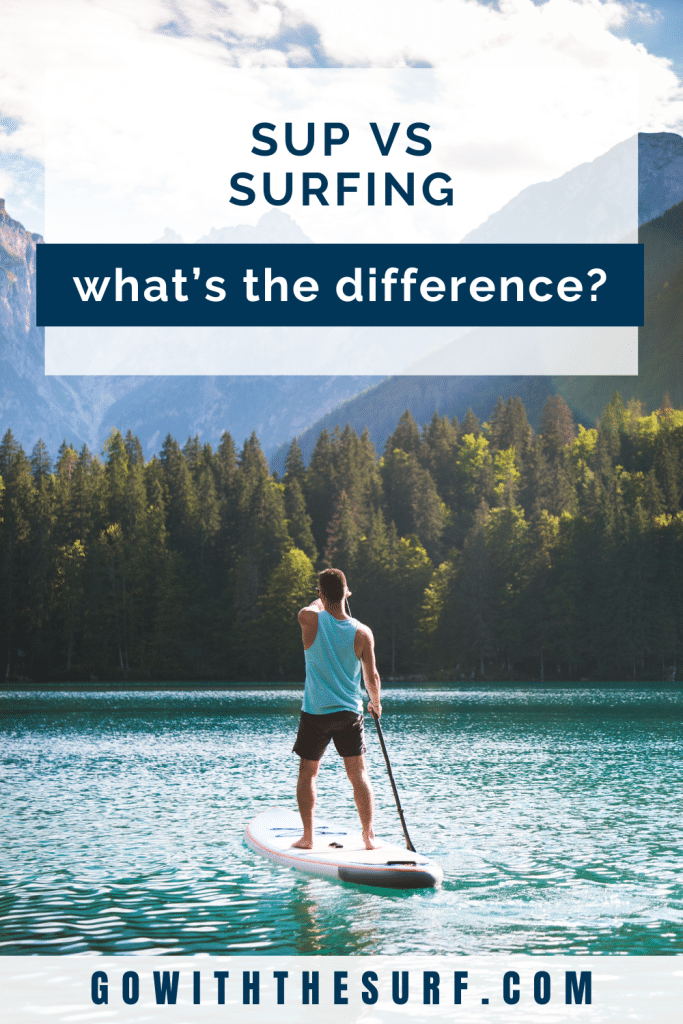
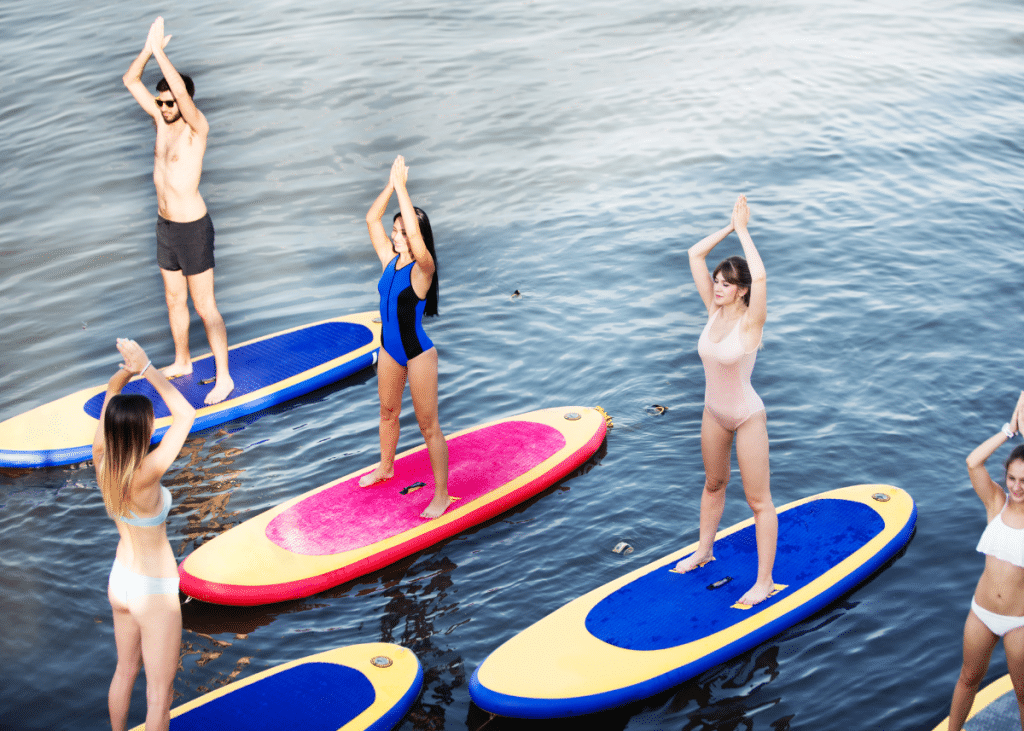
Stand up paddleboarding, or SUP for short, is a water sport that involves standing on a board and propelling yourself across the top of the water using a long paddle. Unlike traditional surfing, which focuses on riding waves, SUP is more about smoothly gliding across the water’s surface. This versatile activity can be enjoyed on flat water, such as calm lakes, rivers, and the ocean, making it a popular choice for water enthusiasts of all skill levels.
History of SUP
The origins of SUP can be traced back to ancient Polynesia, specifically to the Hawaiian islands. Early Hawaiians used large wooden boards and single-bladed paddles for transportation, fishing, and even warfare. Modern standup paddleboarding started to become popular in recent years, as surf instructors and watermen sought a way to get a better view of their students while also getting a full-body workout.
SUP Equipment
To get started with SUP, you’ll need a few essential pieces of equipment. First, you’ll need a paddleboard, which is generally wider, thicker, and longer than a surfboard. This extra width and size make SUP boards more stable and easy to balance on. Paddleboards can be either solid or inflatable. Inflatable SUP boards are more portable and easier to store.
Next, you’ll need a paddle, which is longer than a traditional canoe or kayak paddle. The paddle allows you to easily propel yourself across the water while standing on your board. Additionally, you’ll want a leash to connect your board to your ankle, a personal flotation device (PFD) for safety, and appropriate clothing based on the water temperature.
SUP Technique
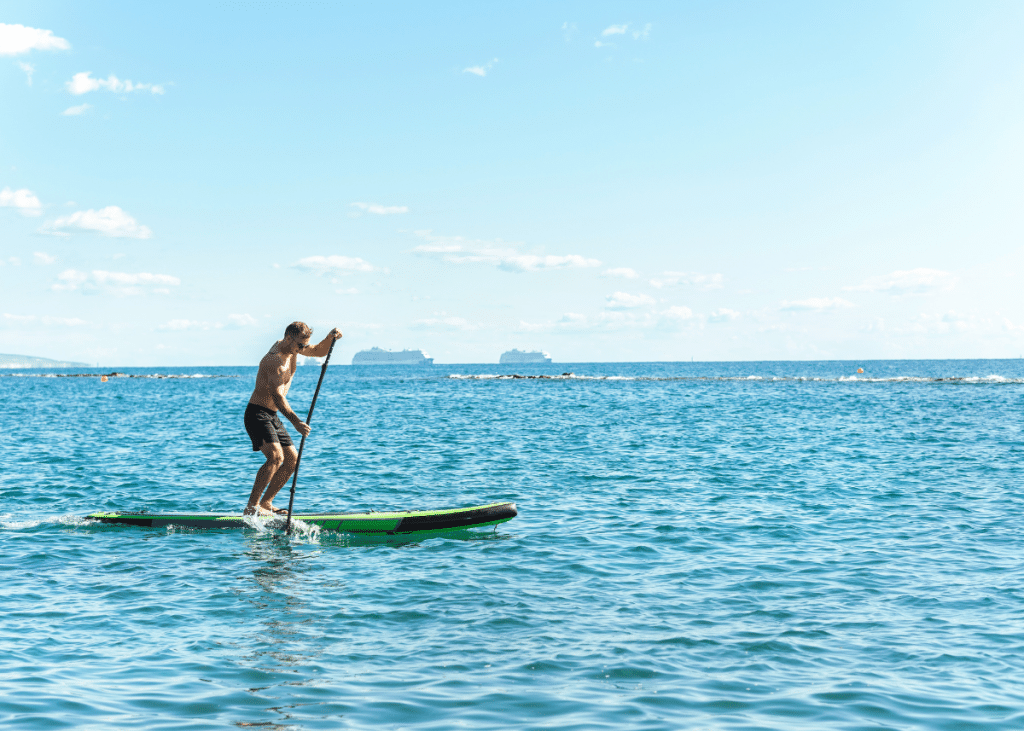
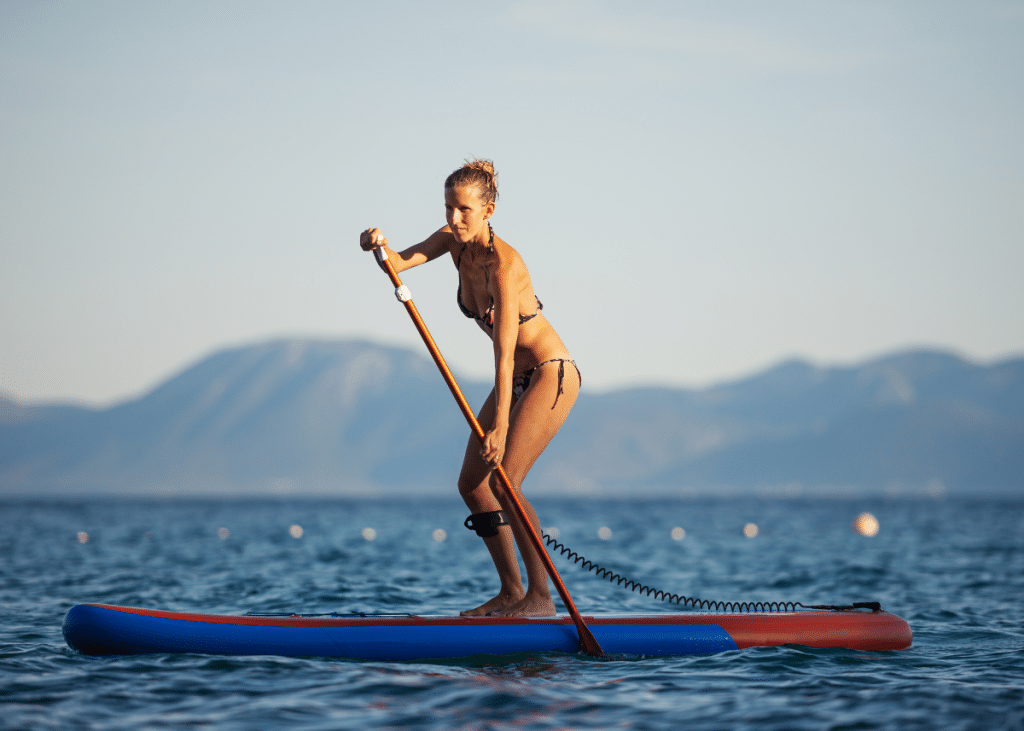
To begin SUP, start by standing on the board with your feet about shoulder-width apart. Keep your knees slightly bent and your back straight. Hold the paddle with both hands, keeping your elbows slightly bent. To paddle on one side of the board, reach forward with the paddle, submerge the blade in the water, and pull it towards you in a continuous motion. Repeat the same process on the opposite side to maintain a straight line.
As you become more comfortable on the board, you can experiment with different techniques, such as turning and riding small waves. Remember to engage your core muscles and maintain a steady stance for optimal control and good balance.
SUP Culture
The SUP community is known for being welcoming and inclusive, with paddlers of all ages and skill levels participating in the sport. Activities range from casual recreational paddleboarding on calm lakes and rivers to more intense SUP racing and even SUP surfing on ocean waves. Due to its low barrier of entry and versatility, stand up paddleboarding has quickly become a beloved pastime for many outdoor enthusiasts.
Surfing
Definition of Surfing
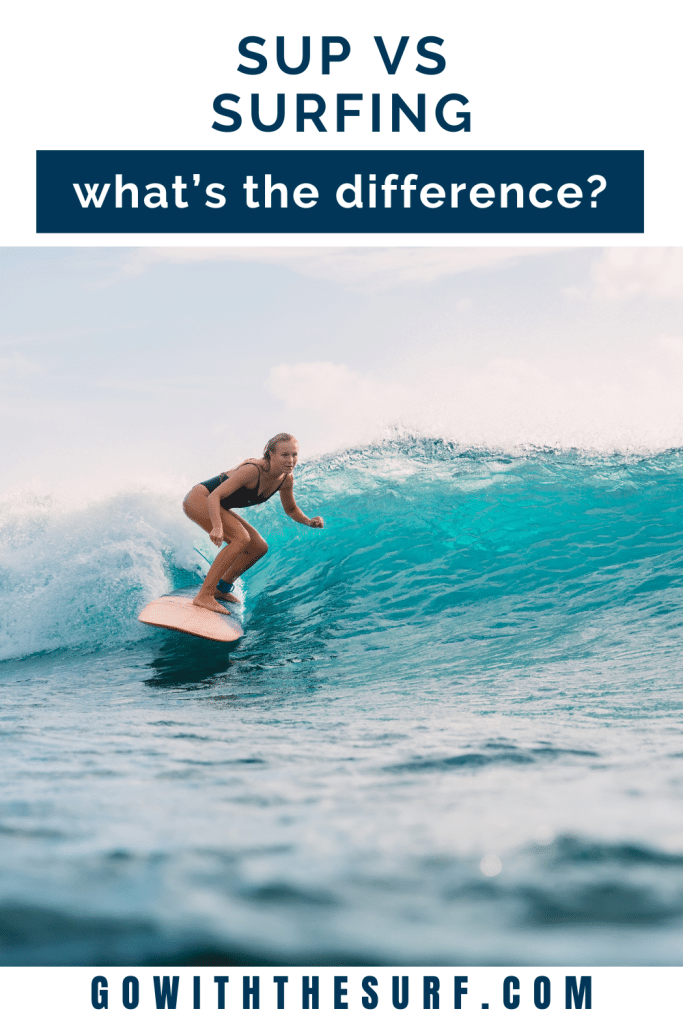
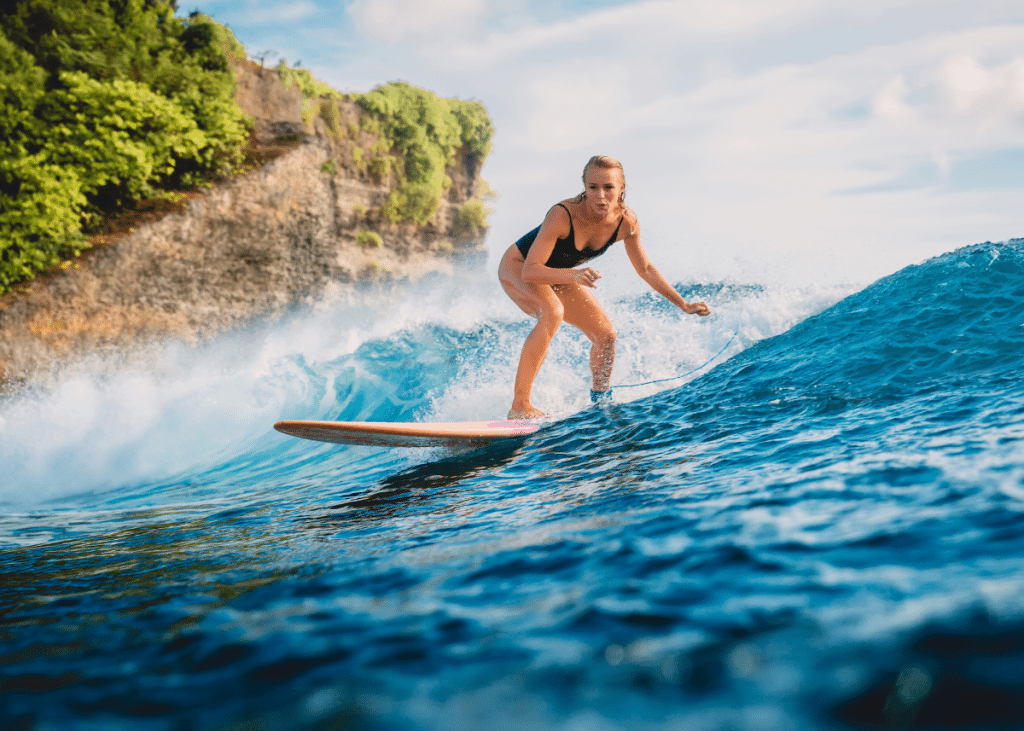
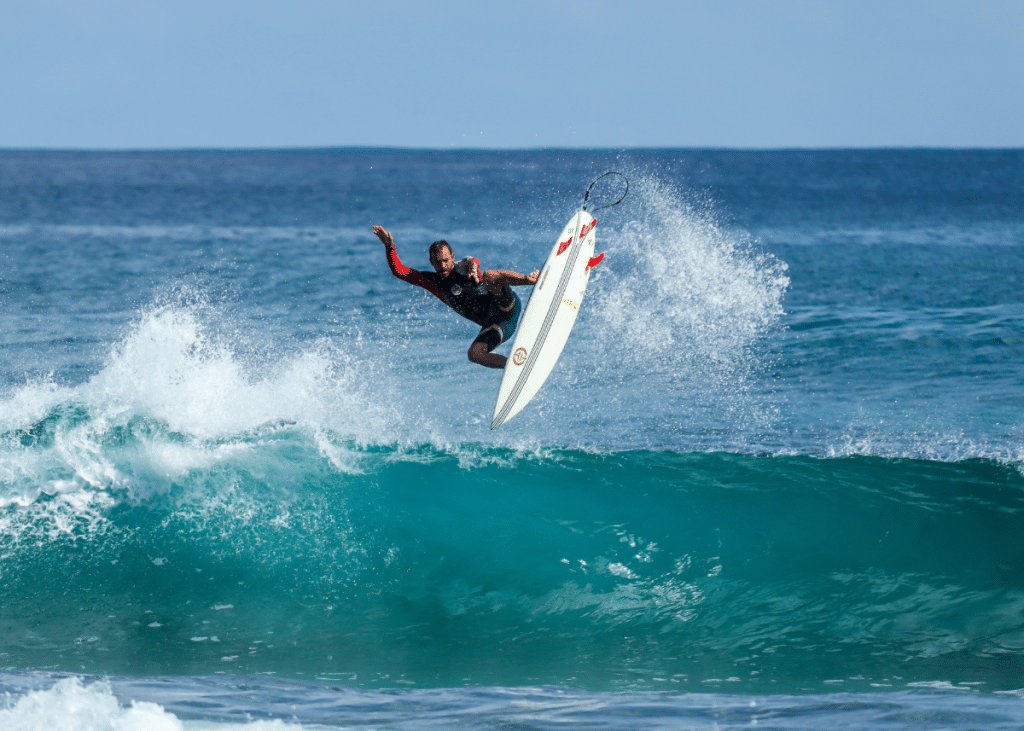
Surfing is a water sport where you ride the waves created by the ocean using a surfboard. The aim is to balance on the surfboard while maneuvering it across the wave, allowing you to experience the thrill of gliding along the water’s surface.
History of Surfing
Surfing has a long and rich history, tracing its origins back to ancient Polynesian cultures. It is believed that the Polynesians first began surfing around 2000 years ago and brought the sport with them when they migrated to Hawaii. In Hawaiian culture, surfing was considered both a sport and an art form, practiced by the noble class for recreation and spiritual connection. Western explorers, like Captain Cook, introduced surfing to the rest of the world in the 18th century.
Surfing Equipment
To start surfing, you’ll need a few essential pieces of equipment:
- Surfboard: Surfboards come in various shapes and sizes, designed to accommodate different skill levels, wave conditions, and personal preferences. Beginner surfers often start with larger, more stable boards before progressing to smaller, more agile boards as they gain experience.
- Wetsuit: A wetsuit is necessary to keep you warm in cold water and protect your skin from abrasions. Wetsuits are made from neoprene, providing insulation and flexibility for movement.
- Leash: A surfboard leash connects the board to your ankle, ensuring that your board doesn’t drift too far away if you fall off.
- Wax: Surfboard wax is applied to the board’s surface, providing grip and traction for your feet.
Surfing Techniques
There are several fundamental techniques you’ll need to master in order to surf successfully:
- Paddling: To catch a wave, you’ll need to paddle out into the ocean, using your arms to propel yourself through the water while lying on your stomach on your surfboard (prone position).
- Pop-Up: Once you’ve caught a wave, it’s time to stand up on your board. This move, called the “pop-up,” requires swiftly transitioning from lying on your stomach to standing on your feet, maintaining balance throughout the process.
- Turning: To navigate the wave, you’ll need to shift your weight and adjust your footing with your back foot to turn your board in the desired direction.
- Duck Dive: As you paddle out to catch waves, you will encounter breaking waves. To get past these without getting pushed back to shore, you’ll need to perform a duck dive, where you push your board underwater, beneath the wave, and reemerge on the other side.
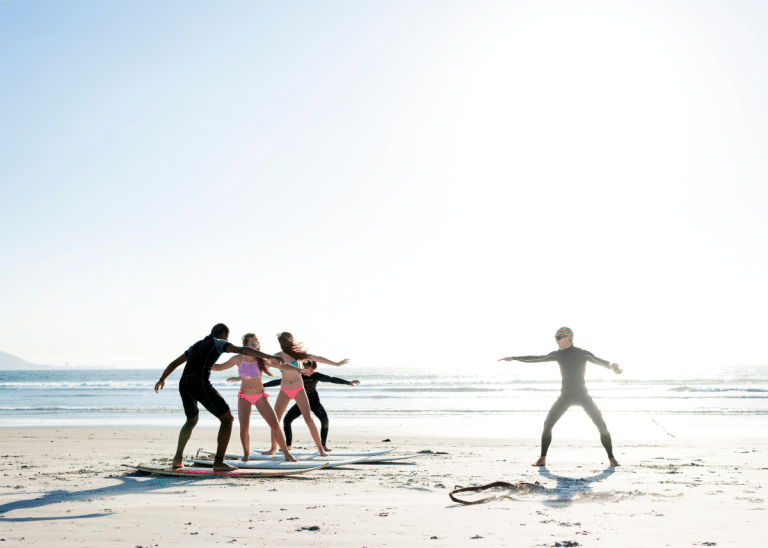
For surf newbies like us, we feel that surf lessons are definitely a necessity!
Surfing Culture
Surfing has evolved into a global culture that not only encompasses the sport itself but also incorporates aspects of art, music, fashion, and environmental awareness. Surfers typically have a deep connection to the ocean and are often advocates for its preservation. Surf culture fosters an appreciation for the natural beauty of the ocean and the power of the waves, giving rise to a community united by their shared love for this unique and exhilarating sport.
Comparing SUP and Surfing
Board Design
When it comes to board design, SUP boards are larger and wider than traditional surfboards. This difference in size and volume offers greater stability for beginners and makes it easier for you to balance on the board. SUP boards also come in various designs such as inflatable paddle boards and solid boards, giving you options depending on your needs and storage capabilities.
In contrast, surfboards come in multiple shapes and sizes, such as shortboards, longboards, and fish boards. Each type of surfboard is tailored to specific wave conditions and rider preferences. The reduced width of surfboards may make it more challenging to maintain balance initially, but the smaller boards allow for greater agility and wave riding ability.
Paddling Techniques
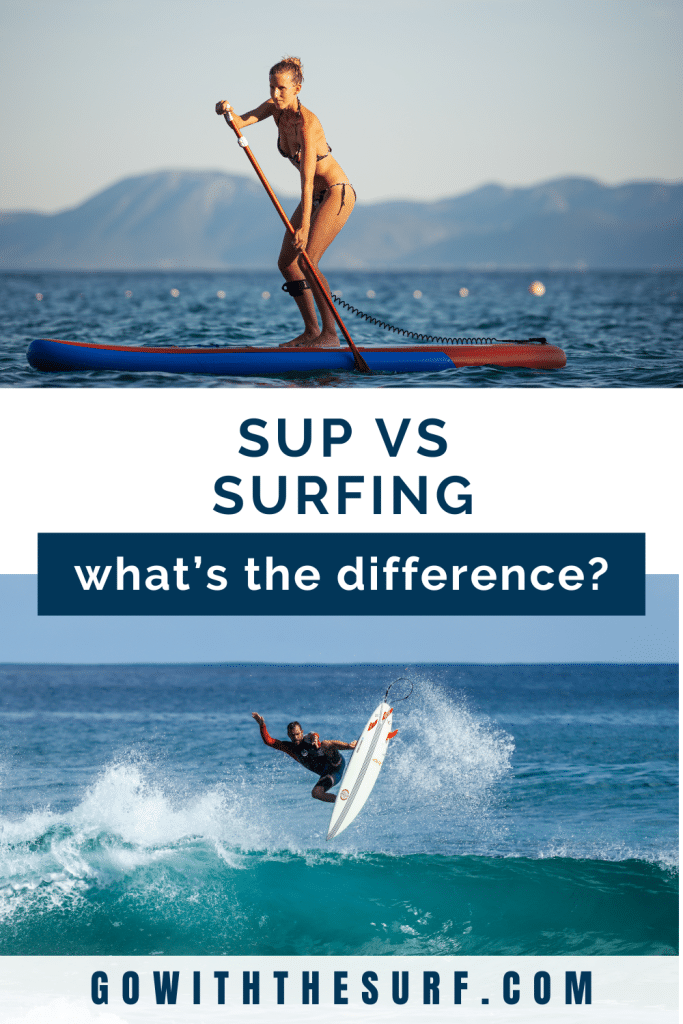
Paddling techniques in SUP and surfing differ mainly due to the equipment used. In SUP, you’re provided with a paddle, allowing you to glide across the water standing upright. This paddling style is less strenuous on your body, making it more accessible for individuals of varying fitness levels.
Surfing, on the other hand, requires you to paddle using only your arms while lying face down on the board. This method can be challenging and requires more core strength and stamina, making surfing a more intense workout in comparison to SUP.

Wave Catching
The process of catching waves differs between the two sports. In SUP, the paddle gives you additional momentum and glide, making it easier for you to catch waves. Moreover, the larger surface area and buoyancy of the SUP board provide more forgiveness when riding smaller or slower waves.
In contrast, traditional surfers need to develop precise timing and skill to catch waves. Duck diving, a technique used to push the surfboard under an oncoming wave, is a key skill to master in surfing which can take a lot of time. Surfboards have narrower tails and less buoyancy, making wave-catching more challenging but rewarding once mastered.
Skill Level Required
Learning curves for SUP and surfing can be quite different. Since SUP boards offer more stability and buoyancy due to their larger size and volume, beginners might find it easier to learn and enjoy the sport without much frustration. Additionally, the paddle provides extra support and stability, giving you more confidence to catch waves.
On the other hand, the narrower, more agile surfboards require better balance and timing, making it harder for beginners to ride waves successfully. The paddling techniques and wave-catching skills required in surfing present a challenge even for a more seasoned surfer.
Fitness Benefits
Both SUP and surfing offer great fitness benefits, targeting different muscle groups and fitness levels. SUP primarily engages your core, back, and shoulder muscles as you paddle, with less focus on the legs. SUP can be a gentler workout, accommodating a wider range of fitness levels.
Surfing, however, demands more full-body engagement. Paddling requires arm strength and endurance while riding the waves and maintaining balance target your legs and core. The more intense physical demands of surfing often translate to a higher fitness level for dedicated surfers.
Pros and Cons of SUP and Surfing
When considering whether to try SUP or surfing, it’s essential to weigh the pros and cons of each sport. Both offer unique experiences and challenges, so let’s dive into the advantages and disadvantages of each.
Advantages of SUP:
- Accessibility: SUP is generally easier to learn than surfing because you are already standing on the board, providing a more stable base. The larger board size also makes balancing easier for beginners.
- Versatility: You can enjoy SUP on various water types, including oceans, lakes, and rivers. It’s not just limited to waves like surfing, making it suitable for a wider range of environments.
- Fitness benefits: SUP offers an engaging full-body workout that improves your balance, core strength, and cardiovascular endurance.
Disadvantages of SUP:
- Limited wave riding: While you can ride some waves on an SUP, it won’t provide the same adrenaline rush and performance as surfing. With SUP, you’ll be riding smaller waves and calmer water.
- Board size and storage: SUP boards are larger and heavier than surfboards, making them more challenging to transport and store.
Advantages of Surfing:
- Thrill of wave riding: Surfing offers an adrenaline-packed experience when riding larger waves, allowing you to connect and harness their power.
- Surfing culture: Surfing is deeply embedded in a rich culture, allowing you to join a community of like-minded individuals worldwide.
- Professional opportunities: If you excel at surfing, you might find opportunities to compete and even pursue a career within the surfing industry.
Disadvantages of Surfing:
- High skill level required: Surfing has a steeper learning curve than SUP due to its demanding nature, requiring more core strength and balance to ride a wave successfully.
- Physical demands: Surfing involves paddling to catch waves, standing up, and other physically challenging maneuvers, which can be demanding on your body.
Which Water Sport is Right for You?
When choosing between standup paddleboarding (SUP) and surfing, there are several factors to consider. These include your skill level, fitness level, location, conditions, and personal preference. By evaluating each of these factors, you can determine which sport is the best fit for you.
Skill Level
As a general rule, SUP is considered easier to learn compared to surfing. The larger, more stable board and use of a paddle make it more beginner-friendly. Even without prior experience, many people are able to stand up and paddle on an SUP in just minutes. I mean, this is a good reason to start with SUP!
Surfing, on the other hand, requires more skill and practice. Balancing on a smaller, more agile board while trying to catch waves can be challenging. And knowing when to pop up can be the biggest challenge. It may take weeks or months of regular surfing to become proficient, depending on your athletic ability and dedication.
Fitness Level
Both SUP and surfing can provide a great workout. SUP offers a total body workout that engages your core, legs, upper arms, and shoulders. It’s an excellent low-impact, aerobic exercise option.
Surfing also provides a solid workout, focusing on core strength, balance, and upper body strength from paddling. While it’s more physically demanding, the adrenaline rush and exhilaration of riding waves can be extremely satisfying.
Location and Conditions
Your local environment plays a significant role. SUP is more versatile, allowing you to paddle on various types of water, including oceans, lakes, and rivers. This makes it an ideal option for those without consistent access to surfable waves.
Surfing requires specific wave conditions and often involves traveling to surf spots. If you live near the coast with good waves, surfing can be a viable option.
In the Portugal town we live in, the conditions are a little too rough for SUP, but they make the best waves for surfing!

Personal Preference
Ultimately, the sport that’s right for you comes down to personal preference. SUP can be more relaxing, offering a serene way to explore the water while still getting a solid workout. It’s also enjoyed by people of various ages and fitness levels.
Surfing offers a greater adrenaline rush and challenge but might require more time and dedication to master.
But both SUP and surfing are a lot of fun! Consider trying both sports to see which one resonates with you and aligns with your personal goals and lifestyle. Remember, there isn’t a right choice in this case as either water sport will be a great time!
Final Thoughts on SUP vs Surfing
While both SUP and surfing have their unique advantages and challenges, the decision ultimately comes down to personal preference and skill level.
For us, we were big snowboarders back in the United States, so we aligned more with surfing as our new sport. Hence, we are sharing our surfing journey 🙂
Have you tried either SUP or surfing? Or both? Let us know what you think in the comments!

Anh
Anh recently retired at the age of 35 and moved to a small surf town in Portugal in 2023. She started surfing as a hobby, but she fell in love with the water sport. She shares her tips and tricks with fellow surfers at Go With the Surf.